

REKEY OR REPLACE YOUR LOCKS: HOW TO DECIDE
Should you rekey your existing locks or replace them entirely? Here is a clear breakdown of when each option makes sense for your security and your budget.
WHAT “REKEYING” ACTUALLY MEANS
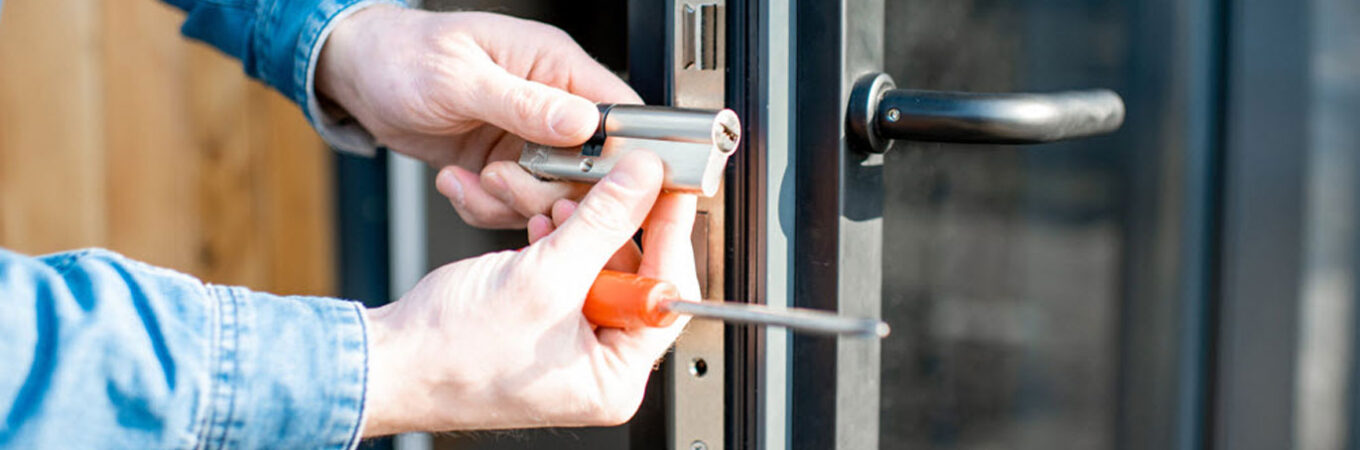
Rekeying changes the internal pin configuration of an existing lock so that old keys no longer work and a brand-new key is required. The lock hardware stays on the door; only the “secret” inside is changed. This is typically the most cost-effective way to secure your home.
WHEN TO REKEY
Rekeying is the right choice if your locks are in good working condition but you need to control access:
New home purchase: You don’t know who has copies of the old keys.
Changes in occupancy: A roommate or employee has moved out.
Lost keys: You misplaced a key but don't believe your security is actively compromised.
Master keying: You want all locks in your house to work with one single key.
WHEN TO REPLACE
Wear and tear: Locks are old, stiff, or visibly damaged.
Smart upgrades: You want to switch to a keypad or app-controlled smart lock.
Security boost: You are moving from low-grade builder hardware to high-security brands like Medeco or Mul-T-Lock.
Post-break-in: The lock has been compromised or damaged during a burglary attempt.
Aesthetics: You want to change the style or finish of your door hardware.
“
Replacement is necessary when the lock hardware itself is the problem or you want a significant upgrade:
COST COMPARISON
Rekeying: Typically costs $25–$45 per cylinder plus a service call fee. For a home with 3 locks, the total is often between $120–$180.
Replacement: Costs range from $80 to $300 per lock, depending on the brand and grade. Replacing 3 locks can run between $250–$700.


